
The dark web is often shrouded in mystery, a part of the internet that intrigues many and frightens others. It’s a realm that exists beyond the reach of standard search engines, and while it is infamous for hosting illegal activities, it also serves a range of legitimate purposes. Understanding dark web search engines is essential for navigating this hidden part of the internet safely and responsibly. This article will explore what dark web search engines are, how they work, the role they play, and provide insights into their functionality.
Dark web search engines help locate leaked files and database dumps. Standard search engines like Google index the surface web by following links and crawling pages. The problem is that standard search engines can’t access the dark web. A top-of-the-line VPN network that ensures maximum security while accessing dark sites online. However, no matter how much you try to stick to legal websites, you can still land on illegal or highly disturbing content. Other sites explicitly block search engines from identifying them.
Dark Web Search Engines
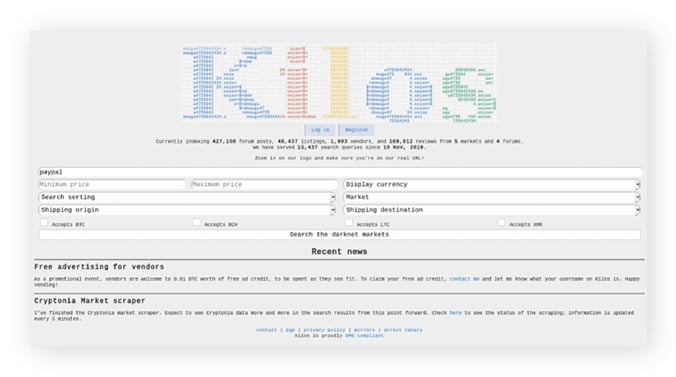
Dark web search engines are specialized tools designed to help users locate information on the dark web. Unlike the surface web that can be accessed through typical browsers, the dark web requires specific software, such as Tor, to reach its websites. Here are some essential features and notable characteristics of dark web search engines:
How They Function
This means anyone can access it, which helps to detect vulnerabilities before malicious actors take advantage. Established in 2012, the platform is a time capsule that collects snapshots of websites. Formerly known as Archive.is, it is one of the best onion sites on the dark web. Using the ProtonMail .onion site offers security and privacy advantages. Furthermore, data will help to detect attacks against the network and possible censorship events. The goal of an anonymous and privacy network, Tor, is not to engage in the extensive collection of data.
Dark web search engines employ unique methods to index the content of sites that are not accessible through traditional methods. Here's how they operate:
- Hidden Directories: Many dark web websites are stored in hidden directories that cannot be indexed by standard search engines.
- Anonymity: To maintain user privacy, these search engines often use technologies that anonymize user activities.
- Specialized Protocols: They operate on protocols like Tor or I2P, which allow for encrypted and anonymous browsing.
Popular Dark Web Search Engines
While the dark web contains several search engines, here are a few notable ones that can assist users in finding information:
- Ahmia: This search engine focuses on indexing .onion sites while filtering out illegal content.
- Not Evil: A user-friendly search engine that aims to index useful and legitimate dark web content.
- DuckDuckGo (Dark Web Version): Known for its privacy-centric principles, DuckDuckGo has a dark web version that can be accessed through Tor.
Why Use Dark Web Search Engines?
There are several legitimate reasons for utilizing dark web search engines:
- Privacy and Anonymity: Users seeking to protect their identity can find more secure environments.
- Whistleblowing and Activism: Individuals may use it to share sensitive information without fear of retribution.
- Access to Censorship-Free Information: In countries with restricted internet access, the dark web can serve as a resource for uncensored information.
FAQs About Dark Web Search Engines
What is the dark web?
The dark web is a part of the internet that is not indexed by standard search engines and requires special software to access. It hosts both legal and illegal activities.
Are dark web search engines safe to use?
- They were then compared by how they find and list onion services, including how often results lead to inactive, fake, or misleading pages.
- It is easily accessible by the general public and requires no special configuration.
- We recommend you only visit safe dark web links to explore such as The CIA, Facebook, DuckDuckGo, and Torch.
- You will need the Tor browser to access these links and the other (hidden) internet, the dark web.
- While this is not much compared to standard email services, it is enough for PGP-encrypted messages.
- Therefore, it is a great asset for more seasoned users, but a very scary tool to use for novice users.
While using dark web search engines can be safe if proper precautions are taken, users must stay vigilant against potential risks, such as malware or scams.
Do I need special software to access the dark web?
Yes, accessing the dark web typically requires browsers like Tor or I2P that are designed to provide anonymity and access to .onion websites.
Can I find legitimate content on the dark web?
Absolutely. The dark web contains forums, educational sites, and platforms for whistleblowers, among other legitimate content.
In conclusion, understanding dark web search engines is crucial for anyone interested in exploring this hidden part of the internet. By using these specialized tools responsibly, individuals can access valuable information while ensuring their privacy and security.