If you decide to venture into the dark depths of the deep web, make sure you’ve bolstered your device’s security with powerful privacy and security tools that can defend against dark web threats. Users also face the potential danger of government monitoring and surveillance — or scams and fraud, and other activities that can lead to financial loss and identity theft. Another challenge of finding dark web sites is that they don’t often last long.
The dark web can evoke a sense of mystery and intrigue, often associated with both nefarious activities and valuable information. Understanding how to navigate this complex digital landscape can empower individuals to make informed decisions about security and privacy. This article aims to shed light on dark web entry, exploring what it is, how it works, and the essential precautions to take when venturing into this hidden part of the internet.
But it also contains other news and religious sites, private discussion forums, and medical records. You don’t need special tools or a special browser like you need to access the dark web (more about that later). The majority of the web is called the “deep web” (often referred to as the “invisible” or “hidden” web). That means that only 0.024% of all the known pages are findable in Google’s search engine.
Dark Web Entry
The dark web is a segment of the internet that is not indexed by traditional search engines. It requires specialized software, configurations, or authorization to access, making it significantly more secure—and in some instances, dangerous. Here’s a breakdown of what you need to know about dark web entry.
What is the Dark Web?
- The dark web is part of the deep web, which includes all web content that isn't indexed by standard search engines.
- It comprises various websites that use encryption and anonymity-providing technologies to conceal their locations and users.
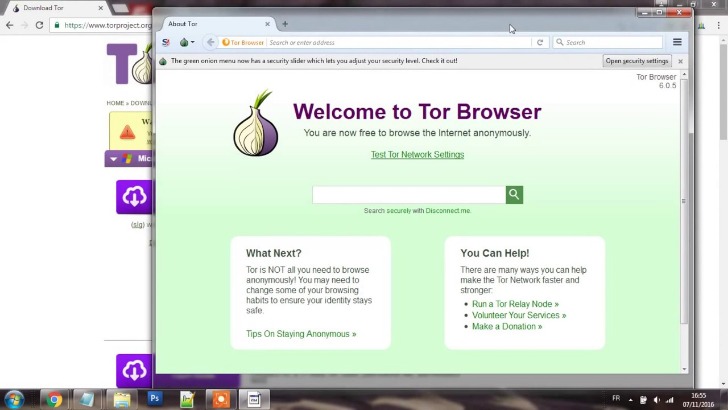
- Common platforms used to access the dark web include Tor and I2P.
How to Access the Dark Web
Accessing the dark web safely requires careful steps:
- Download a Secure Browser: Use Tor Browser, which is specifically designed for accessing the dark web while preserving user anonymity.
- Enhance Your Security: Utilize a VPN to encrypt your internet traffic, masking your IP address and providing an additional layer of anonymity.
- Disable Scripts and Plugins: Keep your security settings high in the Tor Browser to reduce risks associated with malicious websites.
- Be Cautious with Links: Dark web links often end in .onion. Only click on links from trusted sources to avoid accessing potentially harmful sites.
- Protect Personal Information: Never disclose personal information or financial data. The dark web is rife with scams and identity theft.
Reasons to Explore the Dark Web
Although the dark web has a notorious reputation, there can be legitimate reasons to explore it:
- Whistleblowing: It provides a platform for whistleblowers to safely share information without fear of reprisal.
- Privacy Protection: Individuals seeking anonymity for various reasons may prefer to explore this realm.
- Information Access: Certain files, research, or forums that discuss sensitive topics may only be available on the dark web.
FAQs
- An estimated 90% of posts on popular dark web forums are from buyers looking to contract someone for cybercrime services.
- Though e-commerce on the dark web started around 2006, illicit goods were among the first items to be transacted using the internet, when in the early 1970s students at Stanford University and Massachusetts Institute of Technology used the ARPANET to coordinate the purchase of cannabis.
- All darknets require specific software installed or network configurations made to access them, such as Tor, which can be accessed via a customized browser from Vidalia (aka the Tor browser bundle), or alternatively via a proxy configured to perform the same function.
- Tor Browser isn’t available on iPhones due to Apple’s App Store rules.
- Make sure your antivirus software is up to date and running at all times.
- The users of the dark web are typically aiming to block governments from snooping on them.
Q: Is the dark web illegal?
A: The dark web itself is not illegal. However, it hosts illegal activities, and users must be cautious to avoid engaging in or inadvertently facilitating these actions.
Q: Can I get hacked on the dark web?
A: Yes, the risk of encountering hackers or malicious sites is significant. Always approach with caution and employ security measures.
Q: How can I stay safe on the dark web?
A: Prioritize the use of secure browsers, VPNs, and maintain anonymity by avoiding personal information sharing.
In conclusion, understanding dark web entry can empower individuals, facilitating safer navigation in an otherwise treacherous environment. With proper precautions, users can explore the dark web while minimizing risk and maximizing security. As curiosity leads people to explore the unknown, being informed is the first step towards being safe.