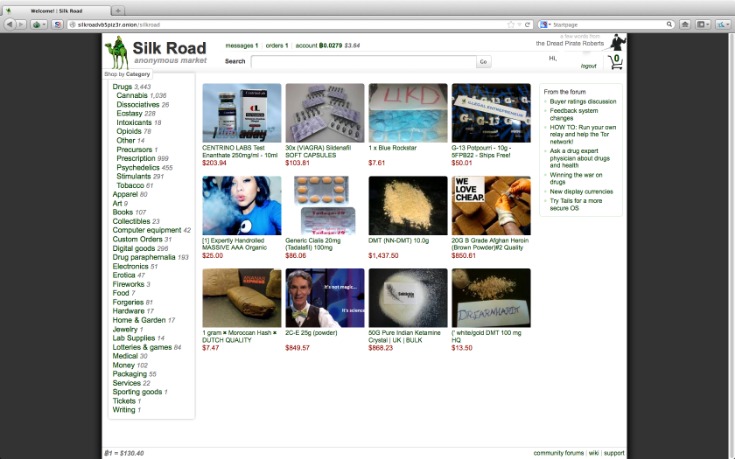
The dark web is often associated with illegal activities, but it can also serve as a platform for those in need of anonymity and privacy. Among various offerings on the dark web, credit cards are frequently discussed, raising questions about their purpose, how they work, and the risks involved. This article aims to unpack the complexities surrounding dark web credit cards, shedding light on both the benefits and dangers associated with them.
This type of payment uses tokenization, which replaces your sensitive card data — like the expiration date and card verification value (CVV) — with a unique, random token. When possible, using a credit card instead of a debit card is a good move too. If someone agrees to use the shop’s checker service instead of a third party, the shop will give a guarantee that at least a portion of the cards are usable for a certain period of time. Or they'll commit "card-not-present fraud," by hacking a website and stealing the online card information that gets entered into the checkout page. Sometimes hackers will commit "card-present fraud" by breaching the point of the sale at a physical store. Carding forums — where cybercriminals chat about stealing card information, share tips for how to hack into websites and more — and marketplaces, where card data is actually bought and sold, are prolific on the dark web, Thomas says.
Understanding the Dark Web
The dark web refers to a part of the internet that requires specific software, configurations, or authorization to access. Unlike the surface web, which is indexed by standard search engines, the dark web operates anonymously. While it is often used for illicit purposes, there are legitimate uses, such as protecting free speech in oppressive regimes. Understanding this realm is crucial in comprehending the role of credit cards within its depths.
What Are Dark Web Credit Cards?
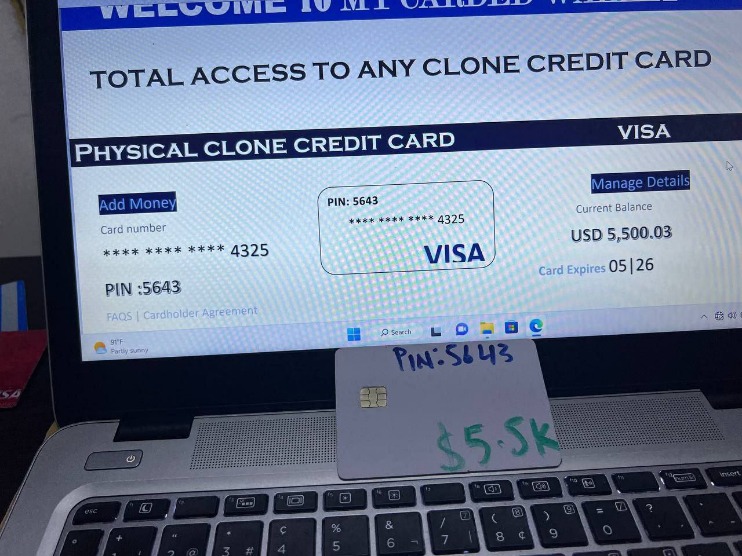
Dark web credit cards typically refer to stolen or illegally obtained credit card information that is sold or traded on the dark web. These cards can be used for fraudulent transactions, leading to significant financial losses for the original cardholders. However, the dark web also features services offering virtual credit cards that prioritize privacy and security for transactions, albeit with their own set of risks.
- Online shoppers who regularly use credit cards are at higher risk of fraud.
- The card contains a randomly generated 16-digit number with an expiration date and CVV.
- Instead of storing actual card numbers, each card should be converted into a unique token.
- Gathering resources is usually the first phase for criminals who want to commit fraud.
Types of Dark Web Credit Cards
There are mainly two categories of dark web credit cards: stolen credit card data and virtual credit cards.
- Stolen Credit Card Data: This includes real card information, usually obtained through hacking or phishing. Cybercriminals sell this data at a fraction of its value, enticing buyers who seek to make unauthorized purchases.
- Virtual Credit Cards: These cards are created using legitimate services that provide temporary card numbers for online transactions. Although marketed for privacy, they can still be exploited if misused.
The Risks Involved
Acquiring dark web credit cards comes with substantial risks. Educating oneself about these risks is vital to understand the broader implications:
- Legal Consequences: Engaging in the purchase or use of illicit credit card information is illegal and can result in severe legal penalties.
- Financial Loss: Victims of credit card fraud face long, arduous processes to reclaim stolen funds and often struggle with credit score ramifications.
- Identity Theft: Using stolen information can lead to full-blown identity theft, affecting victims’ financial reputations and personal lives.
Protecting Yourself
Awareness and education are essential in safeguarding oneself from the dangers of the dark web and its associated fraudulent activities. Consider the following protective measures:
- Use this guide to learn how to easily automate supply chain risk reports with Chat GPT and news data.
- Vendors sell additional information about the cardholder, known as "fullz", which includes the cardholder's social security number, street address, birth date, and more.
- These checkers are often offered and sold on the dark web, and are complimentary tools that individuals and organizations use to verify credit card information.
- Early detection lets you take immediate action to protect your finances, such as alerting your bank or requesting a new card to avoid further risks.
- Monitor Your Financial Accounts: Regularly check your bank statements for unauthorized transactions.
- Use Credit Monitoring Services: These services can alert you to suspicious activity involving your credit profile.
- Practice Good Cyber Hygiene: Use strong passwords, stay updated on security protocols, and avoid sharing personal information unnecessarily.
Conclusion
Understanding dark web credit cards is crucial for navigating the complexities of online security and financial safety. While the dark web presents a tempting ground for anonymity, it also harbors significant risks that can lead to devastating consequences. By educating oneself and taking proactive measures, individuals can arm themselves against the potential threats inherent in this hidden corner of the internet.