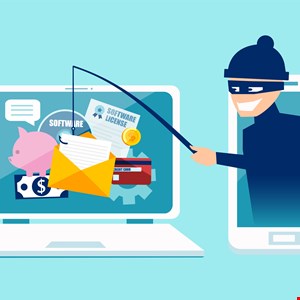
The concept of the dark web credit card often raises eyebrows and evokes curiosity. For those unfamiliar, the dark web is an encrypted part of the internet not indexed by standard search engines, making it a haven for a variety of activities, some legal and others not. Understanding the dynamics of credit card transactions within this shadowy realm is essential for consumers and security professionals alike. This article aims to unravel the complexities surrounding dark web credit cards, their usage, risks, and implications.
What is the Dark Web?
The dark web refers to a segment of the internet that requires specific software, configurations, or authorization to access. The most popular way to navigate this hidden space is through the Tor network, which anonymizes user activity. While the dark web is often associated with illicit activities, it also hosts forums, blogs, and marketplaces that provide anonymity for legal endeavors.
April 2025 marked a concerning month in cybersecurity, with data breaches impacting a wide array of industries—from healthcare and finance to telecommunications and even professional sports. In May 2025, LexisNexis disclosed a significant data breach involving unauthorized access to its GitHub account, discovered on April 1, 2025, after a tip from an unknown third party. In May 2025, Adidas disclosed a data breach where hackers accessed consumer data through a third-party customer service provider, exposing contact information of customers who had interacted with its helpdesk. The breach, primarily linked to a former business partner’s outdated software and a compromised cloud system, highlighted vulnerabilities in vendor security practices, impacting hundreds of thousands of individuals.
How Do Credit Cards Function on the Dark Web?
On the dark web, stolen credit card information is often bought and sold at a premium. Cybercriminals exploit vulnerabilities to obtain this data through various means, including phishing schemes, data breaches, and malware. Once these credit cards are in the wrong hands, they can be used for fraudulent purchases, leading to significant financial losses for individuals and institutions.
The Process of Buying Stolen Credit Cards
- Cybercriminals tend to rely on cryptocurrencies for their online transactions—for example, when purchasing stolen card data.
- Importantly, the airline stated that no credit card details, financial data, or passport information were stored on the breached platform and were therefore not compromised.
- The breach exposed sensitive user information, though no funds or cryptographic keys were compromised.
- I’ve seen cases where security teams identified compromised card data from their institution appearing on the dark web weeks before they traced the actual breach point.
- Conduent handles data for numerous government agencies, so the potential reach is significant.
Individuals looking to purchase stolen credit card information on the dark web typically navigate through illicit marketplaces where such goods are listed. Transactions often require cryptocurrencies, which provide an additional layer of anonymity. Buyers should be aware that engaging in such activities is illegal and unethical, with severe legal consequences.
Risks Associated with Dark Web Credit Cards
Engaging with dark web credit cards poses numerous risks, including:
- Legal Consequences: Purchasing or trading in stolen credit card data is a federal crime.
- Financial Risks: Transactions can lead to significant legal fees, restitution, and loss of personal assets.
- Security Threats: Using dark web channels exposes individuals to further scams and identity theft.

Protecting Yourself from Dark Web Threats

Awareness is critical in defending against the threats posed by the dark web. Here are some strategies to stay safe:
- Monitor Your Financial Accounts: Regularly check for unauthorized transactions and report them immediately.
- Utilize Credit Monitoring Services: These services can alert you to suspicious activity associated with your credit profile.
- Strengthen Personal Security: Use strong, unique passwords across online accounts and enable two-factor authentication where possible.
Understanding the Consequences of Dark Web Engagement
It's crucial to appreciate the broader implications of engaging with the dark web credit card marketplace. The financial system's integrity is at stake, and the innocent often bear the brunt of consequences stemming from fraudulent activities. Consumers should remain vigilant and educate themselves about online security to protect their personal and financial information.
Conclusion
The fascination surrounding the dark web credit card landscape reveals the darker side of technology and the internet. While it encompasses illegal activities, understanding how this environment works can better equip individuals to protect themselves from potential threats. Staying informed and vigilant is key to navigating today's digital world safely.