The dark web has become a topic of increasing concern and interest, particularly when it comes to its illegal activities. While discussions about the dark web often paint a picture of a shadowy realm inhabited by criminals, it is important to understand both its functionality and its implications. This article aims to shed light on the dark web illegal activities and the potential risks associated with them.
Many free VPN providers lack basic security features and track your online activity, so they don’t offer much privacy. These sites aren’t accessible via standard web browsers or search engines. The dark web is just a part of the internet where users can communicate and browse privately, often beyond the reach of standard government monitoring. This adds another, more reliable security layer to all of your online activity. Viruses, ransomware, and other types of malware are more common on onion sites than on the normal internet. Malicious actors can prey on unsuspecting users without leaving much of a digital footprint on Tor, so it’s often just a matter of time before you run into one.
The takedown of the Silk Road marked a significant milestone in the fight against illegal activities on the Dark Web. He was sentenced to life in prison without the possibility of parole, serving as a stark warning to those who sought to operate illegal marketplaces on the Dark Web. Users may come across scams, malware, or fake marketplaces looking to exploit unsuspecting individuals.
This multi-layered encryption makes it difficult for anyone to trace the origin and destination of the user’s online activities. When a user accesses the Dark Web through Tor, their internet traffic is bounced through a series of randomly selected Tor relays. Tor is an open-source software that allows users to browse the internet anonymously by directing their traffic through a network of encrypted nodes. In addition to the anonymity, the Dark Web also provides an avenue for individuals to communicate and share information without fear of surveillance or censorship. The Dark Web has become a hub for cybercriminals, fraudsters, and individuals seeking to engage in illegal transactions.
Understanding the Dark Web
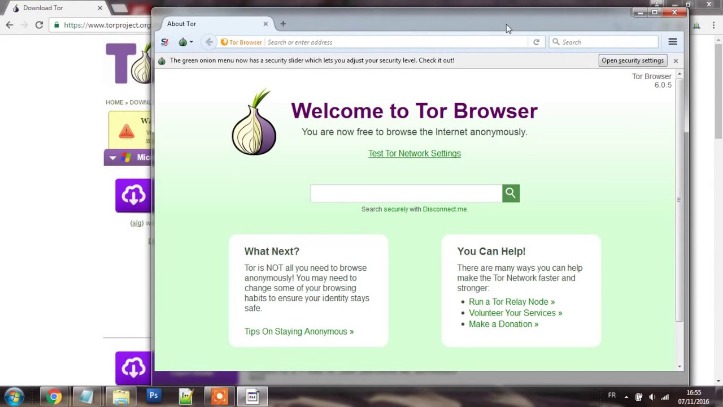
The dark web refers to a segment of the internet that is not indexed by traditional search engines. Accessing this part of the web requires specific software, such as Tor, which anonymizes users and allows them to browse the internet without revealing their identities.
The Dichotomy of the Dark Web
While the dark web can facilitate illegal activities, it also serves legitimate purposes. Here are a few reasons individuals may turn to the dark web:
- Accessing the Dark Web requires the use of specialized software and configurations to ensure anonymity and privacy.
- Cybercriminals plan attacks, sell credentials, and share exploits in hidden forums and marketplaces that require specialized search engines to monitor.
- Since the Silk Road, several notable illegal marketplaces have risen and fallen, including AlphaBay, Hansa, and Wall Street Market.
- The Dark Web is notorious for hosting illegal activities, and by accessing it, users may inadvertently encounter malicious actors or illegal content.
- The market shares of various Silk Road successor sites were described by The Economist in May 2015.
- Infamous criminal sites live there, but so do popular, well-known sites and brands.
- Privacy: Many users seek anonymity due to political oppression, censorship, or personal safety.
- Whistleblowing: Activists and whistleblowers use the dark web to leak sensitive information without being tracked.
- Research: Scholars and researchers may access the dark web to study cybercrime or related phenomena.
Illegal Activities on the Dark Web
The dark web illegal activities that garner the most attention are varied. Here are some notable examples:
- Drug Trafficking: Marketplaces like Silk Road historically facilitated the sale of illegal substances.
- Weapons Sales: Various platforms allow the purchase of firearms and other weapons.
- Stolen Data: Cybercriminals often trade personal information, financial data, and login credentials.
- Human Trafficking: Disturbingly, the dark web can serve as a venue for trafficking and exploitation.
The Risks of Engaging with the Dark Web
Engaging in illegal activities on the dark web poses significant risks, including:
- Legal Consequences: Law enforcement agencies are increasingly focusing on dark web activities, potentially leading to arrests.
- Scams and Fraud: Many sites are fraudulent, with users at risk of losing money or being exploited.
- Exposure to Harmful Content: Users may inadvertently access disturbing or illegal materials that carry psychological risks.

Protecting Yourself While Navigating the Dark Web
If you find yourself on the dark web, here are some tips to stay safe:
- Use Strong Anonymity Tools: Leverage VPNs and Tor to protect your identity.
- Avoid Personal Information: Don’t share personal or financial details.
- Stay Informed: Regularly update your knowledge of the dangers associated with the dark web.
FAQs
1. Is everything on the dark web illegal?
No, there are legitimate uses for the dark web, such as privacy and activism.
2. How can I access the dark web safely?
Use a secure VPN, access sites via the Tor browser, and avoid revealing personal information.
3. What should I do if I encounter illegal activity?
Report it to law enforcement authorities and avoid engaging with it.
In conclusion, the dark web illegal landscape is complex and multifaceted. While it can harbor illicit activities, it also serves as a vital resource for privacy and expression. Understanding its workings can empower individuals to navigate this hidden realm responsibly and safely.